
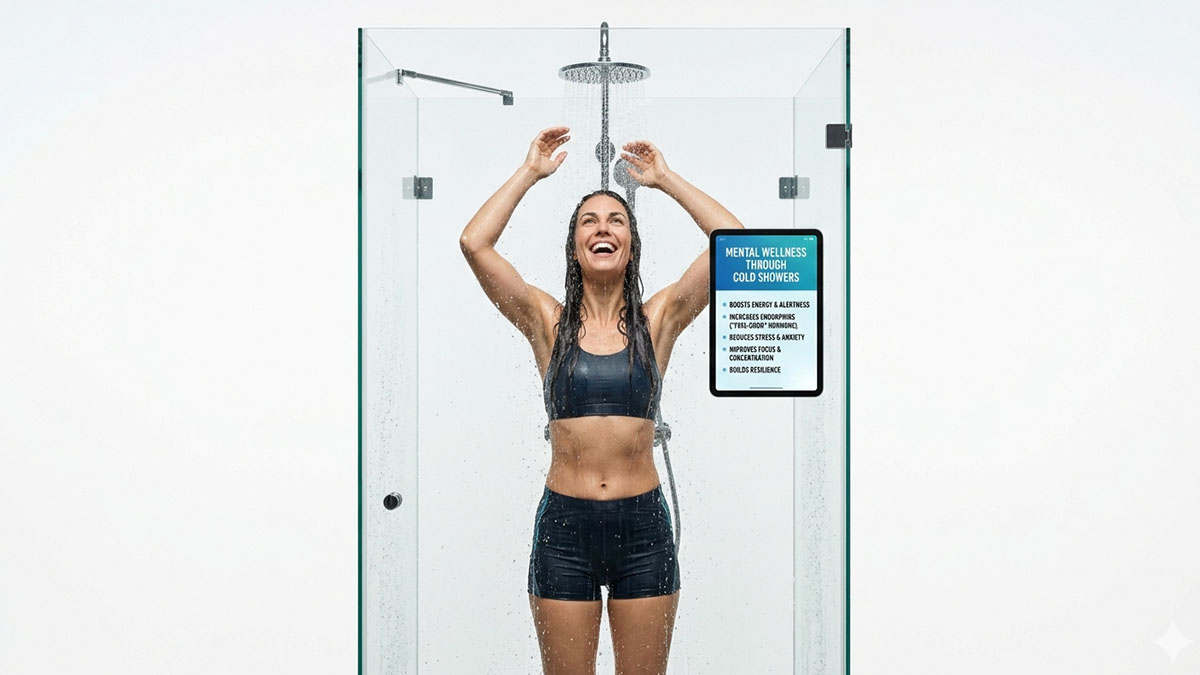
In our modern world, we are obsessed with comfort. We have climate-controlled homes, heated car seats, and plush blankets to ensure we never have to feel the sting of the elements. While this comfort is a luxury of the twenty-first century, it might actually be making our minds less resilient. We have drifted away from the environmental stressors that our ancestors faced daily, and in doing so, we have lost a natural way to strengthen our nervous systems. If you have been feeling stuck in a cycle of low energy, high anxiety, or mental fog, the solution might be waiting for you in your bathroom. It sounds counterintuitive and perhaps a little bit terrifying, but embracing the mental health benefits of cold showers can act as a powerful “reset button” for your brain, helping you build a level of mental toughness and emotional clarity that few other habits can provide.
To understand why anyone would voluntarily stand under a stream of freezing water, we first have to look at the biological response to cold. When that icy water hits your skin, your body enters a state of mild shock. Your heart rate increases, your breathing quickens, and your brain releases a flood of electrical impulses. This isn’t just a physical reaction; it is a profound neurological event. One of the primary mental health benefits of cold showers is the massive release of norepinephrine and dopamine. These are the “feel-good” and “alertness” chemicals in your brain. Research has shown that a cold plunge or shower can increase dopamine levels by as much as 250%. Unlike the quick spike and crash you get from caffeine or sugar, the dopamine increase from cold exposure is steady and long-lasting, providing you with a natural mood boost that can stay with you for several hours.
Building mental resilience is another cornerstone of the mental health benefits of cold showers. Every time you stand in front of the shower handle and consciously choose to turn it to the coldest setting, you are winning a battle against your own comfort-seeking mind. You are practicing “voluntary discomfort.” This builds a psychological muscle called “top-down control.” By forcing yourself to endure the initial 30 seconds of gasping and shivering, you are teaching your brain that you can handle stress without panicking. Over time, this resilience spills over into your daily life. When you face a stressful meeting at work or a difficult conversation with a loved one, your brain remembers the cold shower. It recognizes the feeling of a rising heart rate and knows that you have the power to stay calm, breathe through it, and remain in control.
For those struggling with symptoms of depression, the mental health benefits of cold showers can be particularly transformative. There is a theory in evolutionary psychology that depression may be linked to a lack of physiological stressors that were once common in human life, such as thermal exercise. A cold shower sends an overwhelming amount of electrical impulses from peripheral nerve endings to the brain, which can result in an anti-depressive effect. It is often described as a “gentle electroconvulsive therapy” that clears the cobwebs of the mind. While it is not a replacement for professional medical treatment, many people find that the intense sensory input of the cold water helps break the cycle of “rumination”—that repetitive, negative loop of thoughts that often accompanies depression. The cold forces you into the present moment; it is impossible to worry about the past or the future when you are focused on your breath in the freezing water.
Anxiety management is another area where the mental health benefits of cold showers shine. Anxiety is often characterized by a nervous system that is stuck in “high gear,” overreacting to small stresses. Cold water exposure helps train the “vagus nerve,” which is a key part of your parasympathetic nervous system. This nerve controls your body’s ability to relax and recover after a stressful event. By exposing yourself to the controlled stress of cold water, you are essentially “toning” your vagus nerve. Over time, this leads to a lower resting heart rate and a more balanced emotional state. You become less reactive to the small annoyances of life because your nervous system has become more efficient at switching from a state of alert back to a state of calm.
The mental health benefits of cold showers also extend to the quality of your sleep, which is the foundation of mental wellness. While a hot bath before bed is a common suggestion, the drop in core body temperature that follows a cold shower can actually signal to your brain that it is time to sleep. When you step out of the cold and begin to warm up, your body enters a deeply relaxed state. Furthermore, because cold showers reduce systemic inflammation, you are less likely to wake up with the aches and pains that can disrupt a restful night. A brain that is well-rested is a brain that is more capable of handling the emotional challenges of the day, creating a positive cycle of health and happiness.
It is also important to talk about the sense of accomplishment that comes with this habit. Many of us suffer from a lack of “small wins” in our daily lives. When you finish a cold shower, you feel a massive rush of pride. You did something difficult before the day even truly began. This boost in self-efficacy is one of the most underrated mental health benefits of cold showers. It changes your self-identity from someone who avoids challenges to someone who seeks them out. This “warrior mindset” can be incredibly empowering for individuals who feel they have lost control over their lives. It proves to you, in a very physical way, that you are stronger than your fears and more capable than your comfort zone suggests.
If you are new to this, you don’t have to jump into a freezing lake on day one. You can start reaping the mental health benefits of cold showers by simply ending your regular warm shower with 30 seconds of cold water. Focus on your breath. Try to move from short, shallow gasps to long, deep exhales. This breathing technique is what helps settle the nervous system and allows the benefits to take hold. Each day, you can add five or ten seconds until you can handle two or three minutes of cold. The goal isn’t to suffer; the goal is to challenge yourself and observe the mental clarity that follows.
In conclusion, a cold shower is a low-cost, high-reward tool for anyone looking to improve their mental landscape. The mental health benefits of cold showers are backed by both ancient wisdom and modern science, offering a way to boost dopamine, reduce anxiety, and build a resilient spirit. It is a reminder that we are capable of enduring discomfort and emerging stronger on the other side. By stepping into the cold, you are choosing to wake up your body and your mind, trading temporary comfort for lasting vitality. Turn the handle, take a deep breath, and discover the version of yourself that is waiting on the other side of the ice.